


The Project.
Somali High Frequency SurveyData collection is challenging in the Somali region due to insecurity and conflict.
The Somali High Frequency Survey overcomes these challenges through 4 main innovations.
Sampling Frame
Due to missing enumeration area maps, the sampling frame was re-designed based on satellite images and smart algorithms including machine learning for big data.
Methodology
Traditional consumption surveys require many hours of interview time. However, due to security constraints, a modified approach to collecting household consumption data has proven successful.
Remote monitoring system
A quarter of the Somalis are nomadic pastoralists. To include this population, GPS tracking devices were distributed to understand their movements and behaviours in response to external shocks.
Qualitative Testimonials
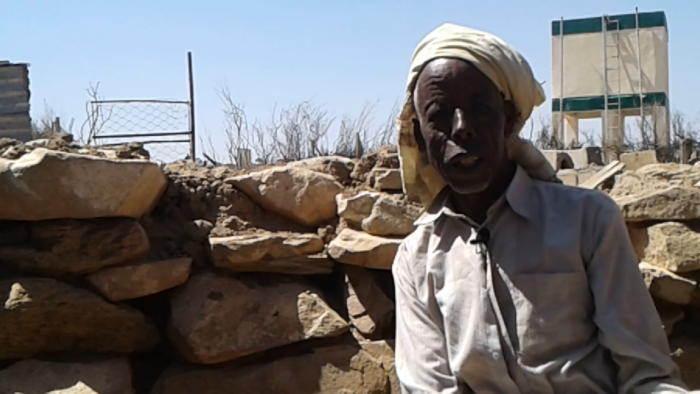
Hundreds of video testimonials recorded using tablets by the enumerators during field research capture the voice of the people and give a face to the data.
Poverty incidence in 2017
% of population below US$ 1.9 PPP per day
NOTE: The poverty incidence of each region does not include IDPs in settlements. The boundaries on the map show approximate borders of Somali pre-war regions and do not necessarily reflect official borders, nor imply the expression of any opinion concerning the status of any territory or the delimitation of its boundaries.
SOURCE: Satellite and survey estimates from Wave 2 of the Somali High Frequency Survey.
The Somali High Frequency Survey is a critical economic survey infrastructure to understand poverty and inform policy decisions.
Somalia’s historical civil war and political insecurity has resulted in a lack of socioeconomic, perception and other key data on the region. The lack of data makes it difficult for the government and its development partners to plan and implement appropriate policies and programs that are needed to support economic growth and stability.
Using an innovative questionnaire design, the SHFS aims to fill this lack of reliable data on the Somali region. This data can provide feedback to the government from their citizens and identify stresses early on.
The Somali Pulse website shares some of the world’s least represented voices.
Enumerators from the Ministry of Planning and International Cooperation, Somalia, use hand-held devices to upload data to record first-person video testimonials. This website is a culmination of the qualitative and quantitative research produced by the Somali High Frequency survey. The testimonial videos are translated into English so that you can access the power of this landmark survey.
Credits
The Somali High Frequency Survey is a joint project of the World Bank and the Multi-Partner Fund.
THE WORLD BANK
Project Lead_Utz Pape
Project Implementation_Altai Consulting
Analyst_Gonzalo Nunez
Analyst_Philip Wollburg
Research Enquries_[email protected]
MULTIMEDIA
Director and Producer_Miranda Grant
Cinematographer_Colin Cosier
Editor_Miranda Grant
Field Producer_Francis Nugent
Translation_Abdalle Ahmed Mumin
Photography_Colin Cosier
Web Design and Development_Miranda Grant
Media Trainers_Francis Nugent and Colin Cosier
Training Designer_Miranda Grant
Production Enquiries[email protected]